
Therapy can help. It is not magic and it is not a personal failure when one approach does not fit.
Here you will find straightforward explanations of common therapies, what they involve and the questions worth asking before you begin.
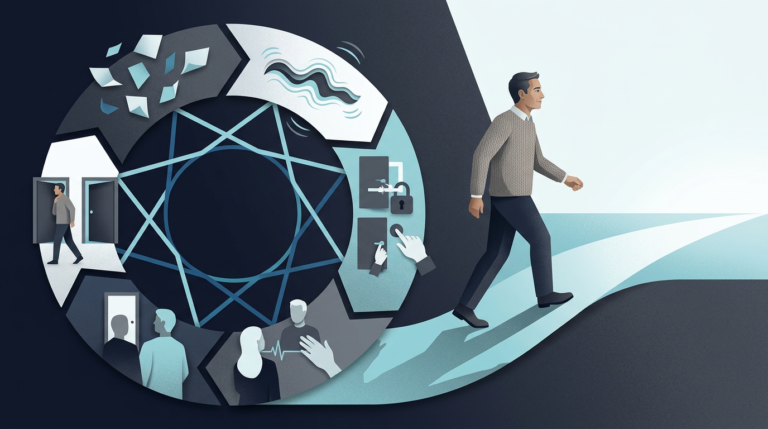
Cognitive Behavioural Therapy (CBT)
Cognitive behavioural therapy is not simply positive thinking or somebody telling you that your fears are irrational. Good CBT helps you understand the cycle between thoughts, physical feelings and behaviour, then test different ways of responding in real life.
Read this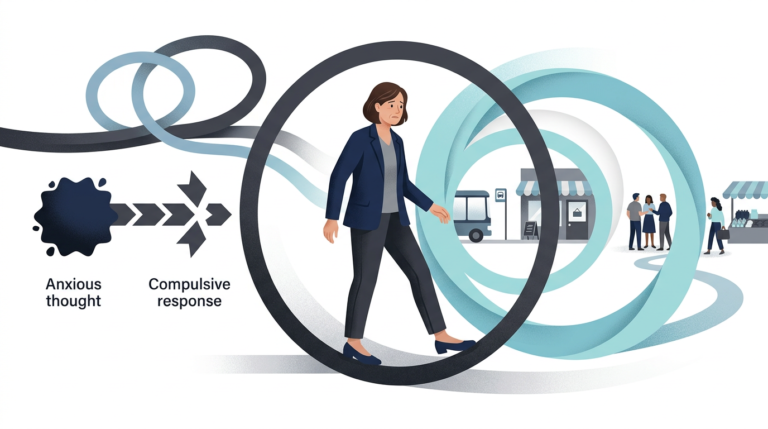
Exposure Therapy and ERP
Exposure therapy is not about throwing yourself into your worst fear and hoping for the best. It is a structured way of approaching what anxiety has taught you to avoid, while reducing the escape, checking and rituals that keep the fear convincing.
Read this
Acceptance and Commitment Therapy (ACT)
Acceptance and Commitment Therapy does not ask you to enjoy anxiety, approve of it or give up on recovery. It helps you stop putting your whole life on hold until every difficult thought, feeling and sensation has disappeared.
Read this
Applied Relaxation
Applied relaxation is more than putting on calming music when anxiety becomes unbearable. It teaches you to recognise tension early, release it deliberately and use the skill during the ordinary situations where anxiety normally takes control.
Read this
Mindfulness-Based Approaches
Mindfulness is not about emptying your mind, forcing yourself to feel calm or becoming permanently peaceful. It involves noticing thoughts, feelings and sensations more clearly without automatically fighting, judging or obeying every one of them.
Read this
Counselling and Psychotherapy
Counselling and psychotherapy give you space to explore thoughts, feelings, relationships and experiences with a trained professional. They can help you understand yourself and make meaningful changes, but talking alone is not automatically the right treatment for every anxiety disorder.
Read this
EMDR and Trauma-Focused Therapy
EMDR and trauma-focused therapy do not erase difficult memories or force you to relive everything without support. They help you process experiences that still feel present, reduce their emotional intensity and rebuild the parts of life organised around avoiding them.
Read this
Guided Self-Help and Online Therapy
Guided self-help is not supposed to mean being handed a workbook and told to sort yourself out. It combines structured psychological material with support from a trained practitioner, while online therapy can range from full video sessions to guided CBT programmes and completely self-directed apps.
Read this
Finding the Right Therapist and What Therapy Is Really Like
Finding the right therapist is not about discovering one perfect stranger who immediately understands every part of you. It means finding somebody suitably qualified, experienced with your problem, safe to work with and able to offer a form of therapy that makes sense for what you actually need.
Read this